
Bovine gallstone market: sharp price correction and reshaping of global balances
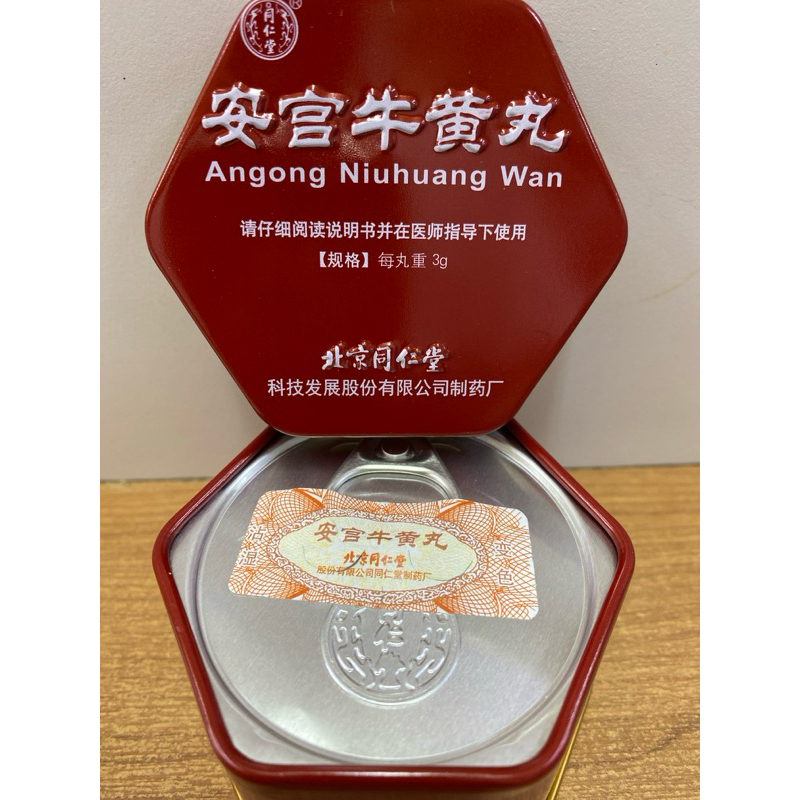
The bovine gallstone market—also known as Calculus bovis or niu huang in Asian pharmacopoeia—has been experiencing a phase of severe correction for several weeks. After a prolonged period of exceptionally high prices, the value of the product has fallen abruptly, leading to widespread buyer caution and a partial freeze in transactions, particularly in Europe. This situation results from a combination of cyclical and structural factors, among which one key element now stands out: the recent opening of the Chinese market to new origins, notably Argentina.
A rapid and visible price decline in Asia
The clearest signals of the downturn are coming from Asia, the historical center of demand. In several Chinese markets specializing in raw materials for traditional medicine, reference prices for natural niu huang have dropped significantly over the space of a few weeks. Local market participants speak of a rapid fall—sometimes described as a “collapse”—after price levels considered excessive. This correction has been accompanied by a sharp slowdown in trading activity, as buyers now prefer to wait in hopes of stabilization before re-entering the market.
This dynamic is also evident in secondary markets, particularly in the resale of high-end finished products containing niu huang. The decline in buy-back prices for these products acts as a leading indicator: when speculative value decreases downstream, pressure is mechanically transmitted upstream, directly affecting raw bovine gallstones.
Europe in a wait-and-see position
In Europe, the price drop has triggered an immediate reaction from many traders: temporary suspension of purchases or drastic reductions in volumes. In a narrow, illiquid market that is heavily dependent on Asian demand, heightened volatility increases the risk of holding overvalued inventories. As a result, operators prefer to wait until new price benchmarks are established, even if this means temporarily halting their activity.
This caution is even more pronounced because the decline mainly affects intermediate-quality lots. Premium lots—carefully selected and fully traceable—have shown greater resilience, but the price gap between quality grades has widened considerably.
The key role of the Argentina–China opening
Among the explanatory factors, the recent opening of China to bovine gallstones of Argentine origin plays a fundamental structural role. Sanitary and customs protocols have made it possible to formalize trade flows that previously, in some cases, moved through indirect channels. This official recognition mechanically increases the supply available on the Chinese market.
Argentina, with its large cattle herd and well-developed meat processing industry, thus becomes an additional credible source for Asian buyers. This development is not limited to an immediate increase in volumes; more importantly, it reshapes expectations. Buyers now factor in the prospect of a more abundant and diversified supply over the medium term, reducing the perceived scarcity of the product.
Increased pressure on global prices
This diversification of origins places historical suppliers—Europe, Oceania, North America, and South America—in direct competition. In this context, sellers’ bargaining power weakens, particularly for standard-quality material. The effect is amplified by a phase of speculative unwinding: after several years of spectacular price increases, the market is entering a period of normalization.
Short-term outlook
In the short term, the prevailing scenario remains one of adjustment. Trading volumes are likely to remain limited until Asian buyers identify a new price floor. Stabilization could occur if actual available supply proves to be less abundant than feared, or if demand for premium segments strengthens again.
In conclusion, the current drop in bovine gallstone prices cannot be attributed to a single cause, but rather to a combination of dynamics: speculative correction, buyer caution, and above all a restructuring of global supply with the official entry of new origins such as Argentina. For market participants, this phase likely marks the end of a cycle and the beginning of a new, more competitive and selective equilibrium.